
In Aviation, Every Project Brings Learning.
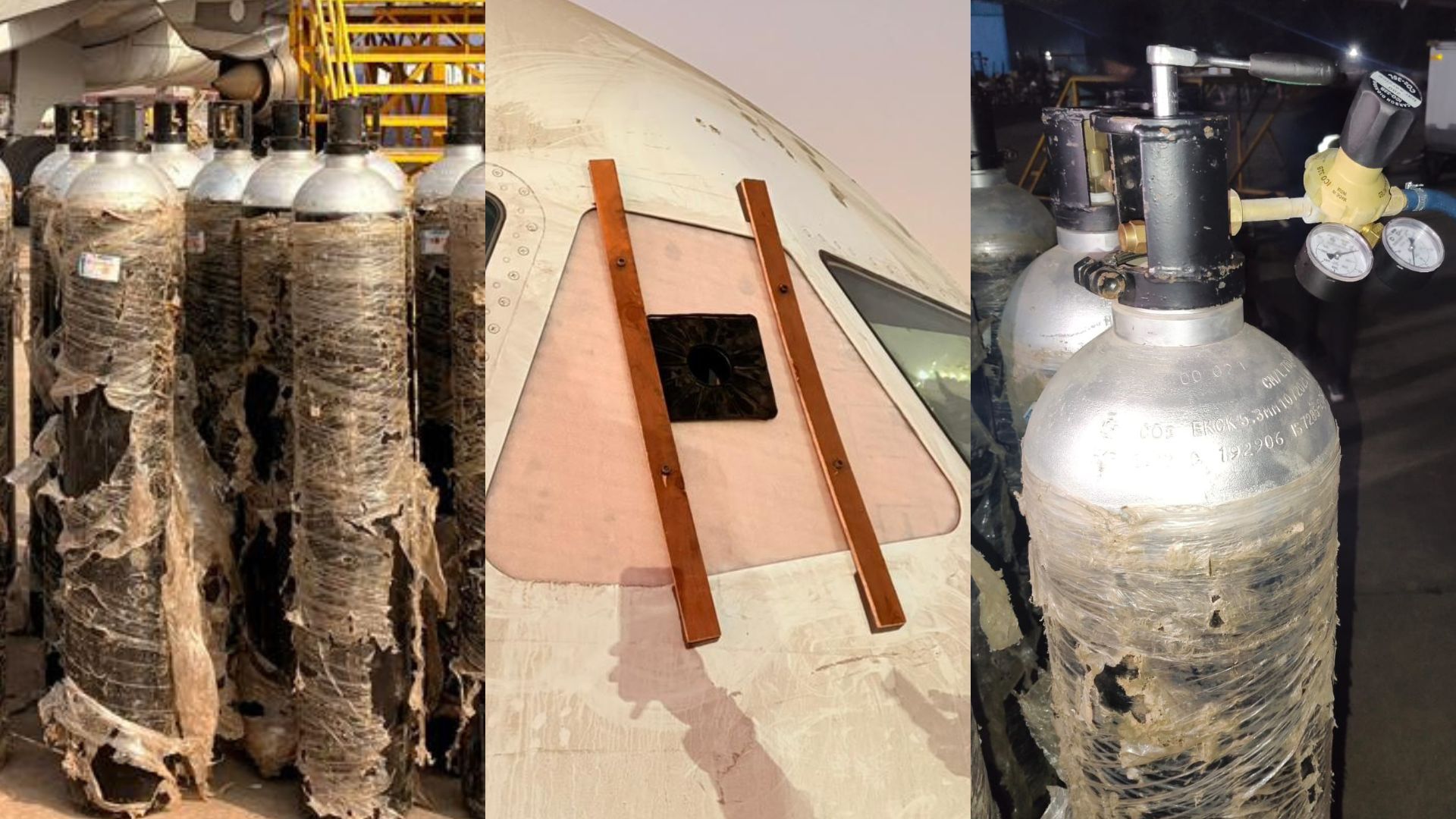
In a recent assignment, our team was tasked with fumigation for animal infestation. We carefully reviewed OEM instructions to understand the correct type of gas required for fumigation—and, more importantly, why it must be used.
At AeroConsultant we do not rely only on experience.
We follow the aviation way: read, verify, and comply—even if the task has been performed many times before.
Methyl Bromide in Aircraft Fumigation
Methyl bromide has historically been used for aircraft fumigation, mainly for quarantine and disinfection.
However, it carries serious health, structural, and environmental risks.
Methyl bromide is not a safe option for your aircraft.
Health Effects on Humans
Inhalation is the primary risk.
Exposure may cause:
- Headache and dizziness
- Breathing difficulties
- Neurological effects
Symptoms can also be delayed, increasing risk for crew and maintenance personnel.
Risks in the Aircraft Environment
Aircraft cabins and cargo holds are enclosed spaces.
- Gas can penetrate insulation and interior panels
- Off-gassing may continue after ventilation
- Residual exposure risk may remain
- Possible long-term impact on materials and wiring
An aircraft is a precision asset—introducing toxic gas into that environment is a serious concern.
Environmental Impact
Methyl bromide is an ozone-depleting substance and is heavily restricted under international regulations.
Regulatory & Compliance Issues
- Strictly controlled
- Requires certified handling
- Increased liability and compliance risk
Why Aviation Is Moving Away from Methyl Bromide
- High toxicity
- Worker safety concerns
- Environmental restrictions
- Safer alternatives available
Why We Shifted to CO₂-Based Aircraft Fumigation
CO₂ eliminates infestation by creating a controlled environment—without leaving toxic residues, without harming aircraft systems, and without exposing personnel to dangerous chemicals.
Recently, we successfully carried out fumigation for an animal infestation using this method—safely, efficiently, and fully aligned with manufacturer guidance.
At AeroConsultant we choose safer solutions.
We protect your aircraft the right way.